
Aiman Tariq – Regional News Editor
Chester County, SC –
According to CBS News and WBTV, Rex Heuermann pleaded guilty in Suffolk County, New York, on April 8 to murdering seven women and admitted responsibility for an eighth killing in the long-running Gilgo Beach case.
The plea brings a major legal turn in one of the country’s most closely watched serial-murder investigations, a case that for local readers also carried a South Carolina angle because Heuermann and his brother owned property in Chester County.
The case had already drawn national attention because of the years-long investigation, the number of victims, and the stretch of Long Island shoreline where remains were found. But for South Carolina, the story also landed closer to home after investigators searched property connected to Heuermann in Chester County in 2023.
At the time, local authorities said they were assisting in evidence collection. There is no public record indicating that Heuermann’s brother was charged or accused of participating in the killings.
Guilty Plea Ends the Path to Trial
According to CBS News New York, Heuermann pleaded guilty to three counts of first-degree murder and four counts of second-degree murder. Prosecutors said he is expected to face multiple life sentences without parole, and he is scheduled to return to court for sentencing on June 17.
That plea changes the posture of the case in an important way. For years, the public story centered on the investigation: how authorities connected burner-phone records, DNA evidence, and other forensic material to a suspect who had not been arrested until July 2023, despite murders that stretched from the early 1990s into 2011.
With the guilty plea, the legal focus shifts from proving who committed the crimes to sentencing and the public record created through the admissions in court.
Why Does the Case Draw So Much Attention?
The Gilgo Beach investigation became nationally known in part because of its duration and in part because the victims’ remains were found over time near a shoreline corridor on Long Island. In public conversation, the case is often reduced to the phrase long island serial killer, but the legal record now centers on Heuermann’s admissions and the charges resolved in court.
That distinction matters. Popular labels can simplify a case that was, in reality, built over many years through overlapping investigative steps and renewed scrutiny after long periods without an arrest.
The South Carolina Connection
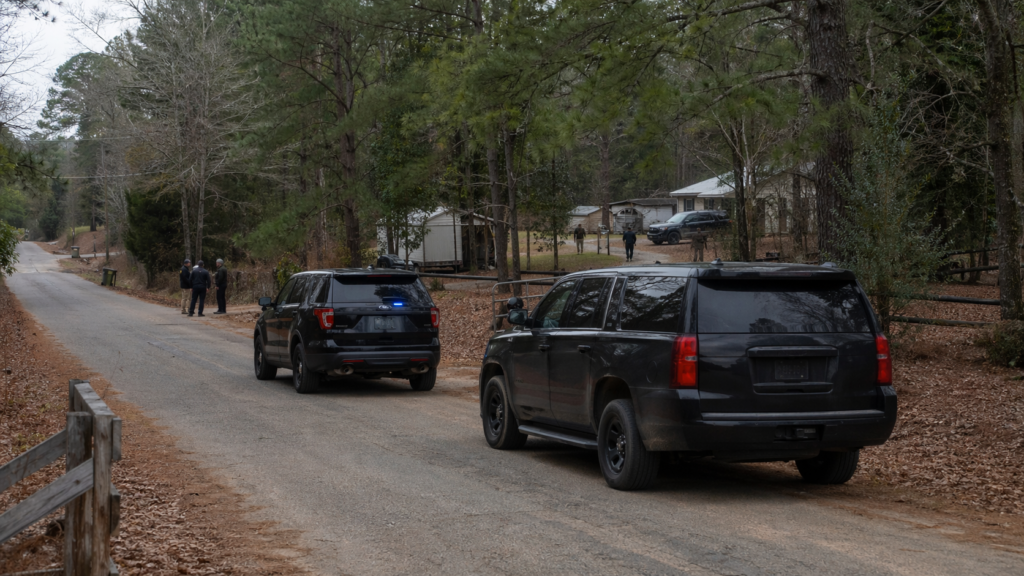
WBTV reported after Heuermann’s 2023 arrest that he and his brother owned land in Chester County and that local authorities helped gather evidence there. Fox Carolina likewise reported that Heuermann had purchased lots along Rippling Brooke Drive in 2021 and had paid taxes on the property shortly before his arrest. Neighbors told local media at the time that the news was deeply unsettling.
That does not mean South Carolina was part of the charged killings. Public reporting has framed the connection more narrowly: property ownership, evidence collection, and reported plans to spend time in the state after retirement. Still, the local tie was enough to make the case more than a distant New York headline for some South Carolina residents.
What Investigators Did in Chester County?
According to local reporting from 2023, the Chester County Sheriff’s Office assisted after New York authorities requested help. That effort reportedly included the seizure of a truck that neighbors said belonged to Heuermann’s brother. Again, public reporting has not indicated that the brother was charged or alleged to have played a role in the murders.
This is the kind of detail that often fuels speculation in high-profile crime stories. The responsible version is narrower: South Carolina authorities helped execute investigative steps tied to a New York murder case. That is different from saying the South Carolina property was itself central to the charged crimes.
A Case That Generated Online Confusion
Because the case was so widely known, online searches and social media discussion have often mixed together unrelated true-crime terms and names. Some search traffic around the Gilgo Beach case overlaps with terms like female serial killer, woman serial killer, or female serial murderers, even though this case involved a male defendant and those phrases are not relevant to the plea itself.
The same is true for odd or unrelated search spillover. Phrases like south beach tow can appear in automated trend clusters or search suggestions even when they have nothing to do with the actual court record. That kind of confusion is common in high-attention crime coverage, and it is one reason careful attribution matters.
What Does Plea Means for the Families?
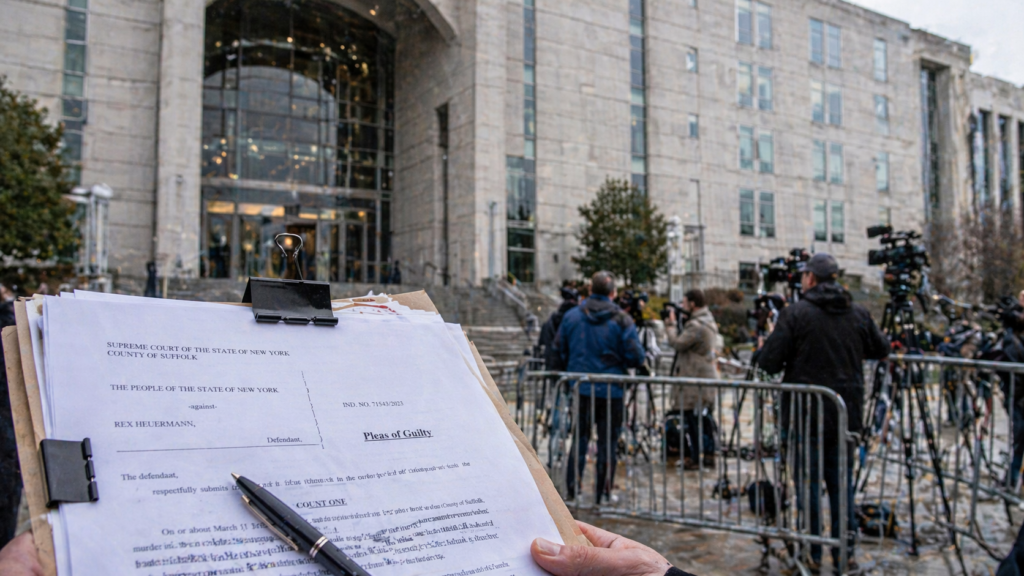
A guilty plea can close one part of a case while leaving other questions unresolved in the public mind.
For victims’ families, it may spare them a lengthy trial and reduce uncertainty about the legal outcome. At the same time, major plea hearings can also renew public attention around the case and bring another wave of coverage tied to the victims, the investigation, and the defendant’s admissions. CBS and PBS both reported that Heuermann admitted responsibility in court rather than forcing the case through a full trial.
That matters because these cases often become known primarily through the accused person’s name or through a shorthand label attached to the investigation. The plea is a reminder that the legal system is still, at its core, addressing the killings of individual victims over many years.
What Happens Next?
The next major milestone is sentencing on June 17, according to CBS News. Prosecutors are expected to seek life imprisonment without parole. After that, the public phase of the case is likely to quiet, though media attention may continue because of ongoing documentaries, renewed reporting on the victims, and broader interest in how investigators eventually solved the case.
That does not mean every question around the case disappears. In major serial-murder investigations, public attention often continues long after a guilty plea, especially when the crimes spanned many years and multiple jurisdictions were involved in evidence work.
The Bottom Line
Rex Heuermann has pleaded guilty to seven murders and admitted to an eighth in the Gilgo Beach case, according to court coverage from CBS News, PBS, and WBTV. Sentencing is scheduled for June 17.
For South Carolina readers, the case carried extra interest because of property tied to Heuermann in Chester County and the role local authorities played in assisting the New York investigation. That connection was real, but it should also be described carefully: it was an investigative link, not a separate South Carolina murder case based on the public record now available.
The plea closes the question of whether the case would go to trial. What remains now is sentencing, the final court record, and the broader effort to understand how a case that stretched across so many years was ultimately resolved.