Aiman Tariq – Regional News Editor
Columbia, SC –
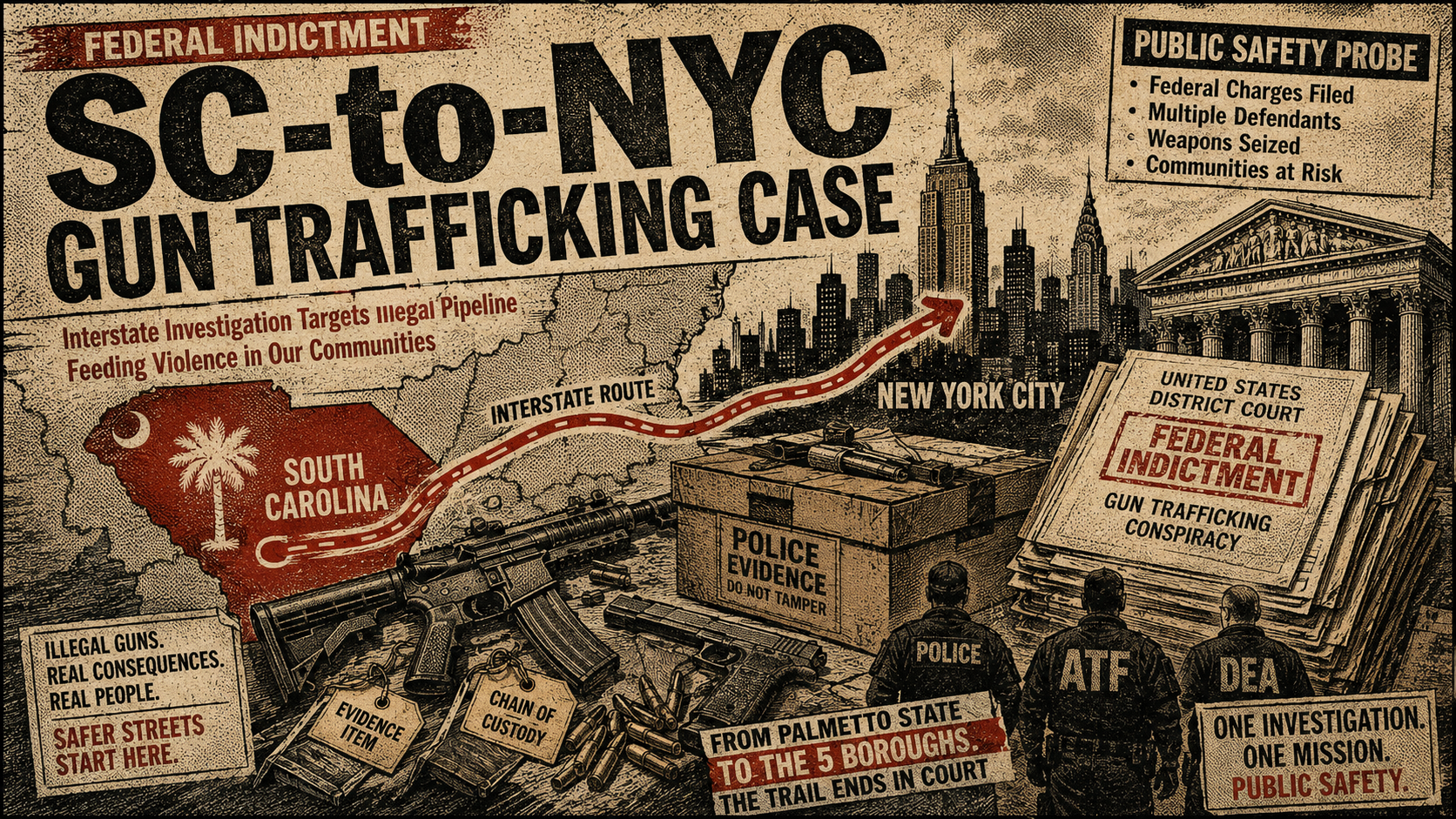
A South Carolina man has been charged in federal court with allegedly transporting firearms and ammunition from South Carolina to New York City, according to the U.S. Attorney’s Office for the Southern District of New York.
The indictment names 51-year-old Daryl Rutherford of South Carolina and accuses him of firearms trafficking, unlicensed dealing, interstate transportation and distribution of firearms, and possession of firearms and ammunition after a felony conviction. Rutherford was arrested in South Carolina and was expected to appear before a federal magistrate judge in the District of South Carolina, according to prosecutors.
As with any federal indictment, the charges are allegations. Prosecutors will have to prove the case in court, and Rutherford is presumed innocent unless and until proven guilty.
What Prosecutors Say Happened?
According to the indictment described by federal prosecutors, Rutherford allegedly transported firearms and ammunition from South Carolina to New York City between about December 2025 and February 2026.
Prosecutors say the alleged sales occurred across four transactions and involved approximately 14 firearms sold to an undercover law enforcement agent. The government says Rutherford believed the buyer was prohibited from possessing firearms and was also involved in unlawful resale.
That detail matters because the case is not being framed by federal officials as a one-time possession charge. It is being described as an alleged interstate supply route, moving weapons from one state into another market where prosecutors say illegal firearms contribute to violence.
Still, the word “alleged” does real work here. The public version of the case comes from prosecutors. The defense has not yet tested those claims in court.
Charges Filed in Federal Court
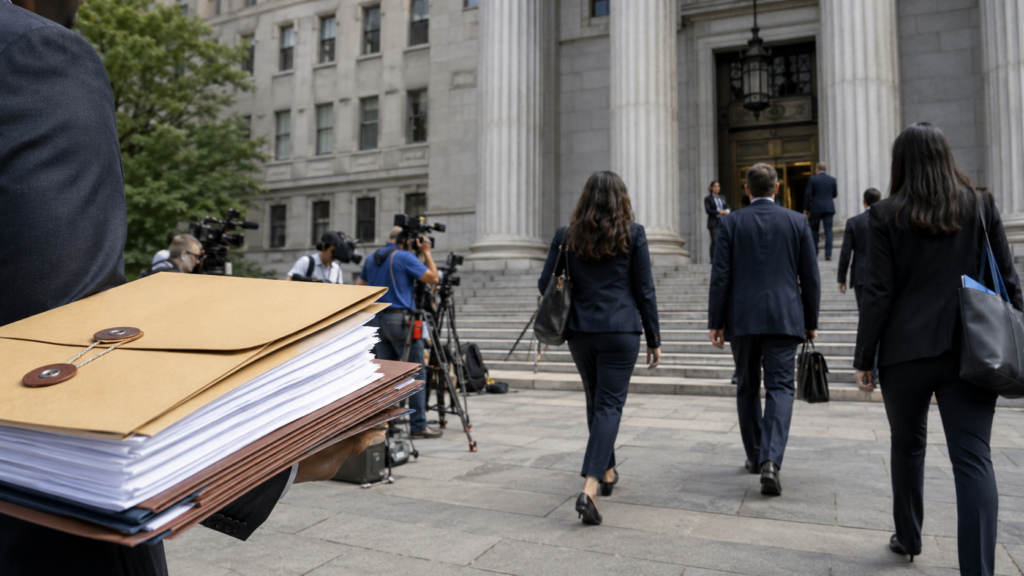
Federal prosecutors say Rutherford faces four counts.
Those include:
- firearms trafficking
- unlicensed dealing of firearms
- interstate transportation and distribution of firearms
- possession of firearms and ammunition after a felony conviction
According to the Justice Department, the firearms trafficking count and the felon-in-possession count each carry a maximum sentence of 15 years in prison. The unlicensed dealing count and interstate transportation count each carry a maximum sentence of five years.
Those are statutory maximums, not a sentence. If Rutherford were convicted, any sentence would be determined by a judge based on the law, sentencing guidelines, the facts established in court, and arguments from both sides.
That distinction is important in federal cases. Charging documents often describe the outer limits of punishment. They do not tell readers what sentence, if any, will ultimately be imposed.
Why New York Officials Focus on Out-of-State Guns?
The case fits into a long-running concern in New York: firearms recovered in the city and state often originate elsewhere.
ATF trace data is used by law enforcement to help determine where recovered firearms were first sold and how they may have moved before being recovered in connection with investigations. ATF says firearm tracing is a key part of its enforcement work and publishes state-level trace reports for public review.
That data does not prove that every out-of-state firearm was trafficked. A trace can show origin and recovery patterns, but it does not automatically explain every transfer or every legal step in between.
Even so, those patterns matter to investigators. When officials talk about “pipelines” or “corridors,” they are usually describing repeated movement of firearms from states with different markets, laws, or enforcement conditions into cities where illegal weapons are in high demand.
In this case, federal officials described the alleged route as South Carolina to New York City. Prosecutors say the alleged conduct involved several federal, state, and local agencies, including HSI, ATF, DEA, NYPD, HSI Greenville, Customs and Border Protection, the South Carolina Law Enforcement Division, and the Union Public Safety Department.
The South Carolina Connection
For South Carolina readers, the case is notable because the arrest happened in the state and prosecutors say the alleged supply route began there.
That does not mean South Carolina itself is responsible for New York’s gun violence. It does mean federal investigators are again pointing to the movement of weapons across state lines as part of a broader enforcement problem.
Interstate trafficking cases often raise difficult questions for local communities. A firearm may be acquired, stored, transported, or resold across multiple jurisdictions before it appears in a major-city investigation. By the time federal charges are announced, the case may already involve agencies hundreds of miles apart.
That is why the government response in this case stretched from New York to South Carolina. The alleged conduct, according to prosecutors, was not confined to a single city street or one local police department’s jurisdiction. It was treated as an interstate investigation.
Law Enforcement Statements and What They Mean
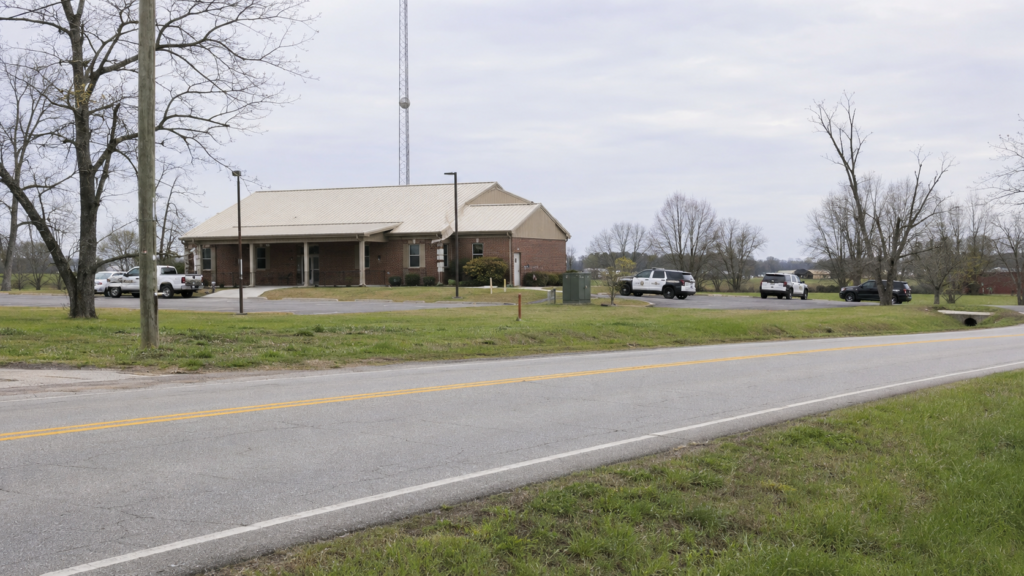
Federal officials described the case in strong terms.
U.S. Attorney Jay Clayton said, according to the Justice Department release, that gun trafficking into New York fuels violent crime and that those who traffic firearms to New York will be held accountable. HSI, ATF, DEA, and NYPD officials also framed the case as part of broader work to disrupt illegal gun movement into the city.
That is the government’s view of the case.
The cautious way to read it is this: federal agencies are signaling that they view interstate firearm movement as a public-safety priority. They are also using the indictment to send a message to others who may be involved in similar activity.
But an indictment is still the beginning of a criminal process, not the end of one.
Why Firearm Trafficking Cases Are Hard to Read from the Outside?
Cases like this can look straightforward in a press release. The government lists the charges, describes the transactions, names the agencies involved, and outlines the maximum penalties.
But the legal questions can become more complicated.
Prosecutors may have to prove knowledge, intent, interstate activity, prohibited status, unlicensed dealing, and other elements depending on the charge. Defense lawyers may challenge how transactions were arranged, what Rutherford knew, whether the government can prove each count, and how the evidence was collected.
That is not unusual. It is the ordinary work of criminal court.
The public should be cautious about treating the filing as a complete factual record. It is a formal accusation backed by prosecutors, not a final finding.
Federal Agencies Involved
The case is being prosecuted by the Violent Organizations and Crime Unit of the Southern District of New York, with Assistant U.S. Attorney Diarra M. Guthrie listed as the prosecutor in charge, according to the Justice Department.
Federal officials credited multiple agencies with investigative work, including HSI New York, ATF, DEA New York, NYPD, HSI Greenville, Customs and Border Protection, SLED, and the Union Public Safety Department.
That kind of agency list is common in interstate cases. It also signals how these investigations often depend on coordination between local intelligence, federal enforcement tools, and prosecutors who can bring charges in federal court.
For readers, the important point is not just the number of agencies. It is the structure of the case: prosecutors are alleging a route that crossed state lines and therefore drew federal attention.
What Happens Next?
Rutherford’s first step is an initial appearance in federal court. From there, the case could move through arraignment, discovery, motions, plea negotiations, or trial.
The indictment has been unsealed, but the government will still have to present evidence if the case proceeds. The defense will have the opportunity to challenge the allegations.
That process can take months or longer, especially in federal cases involving multiple charges and agencies.
For now, the confirmed fact is limited: a South Carolina man has been charged, prosecutors have described an alleged firearms trafficking route to New York City, and the case is active.
The Bottom Line
A South Carolina man has been federally charged in New York with allegedly transporting firearms and ammunition from South Carolina to New York City.
According to prosecutors, Daryl Rutherford sold approximately 14 firearms in four transactions to an undercover law enforcement agent. Those claims remain allegations unless proven in court.
The case reflects a broader law enforcement focus on interstate gun movement into major cities, where officials say illegal firearms can contribute to violent crime.
For South Carolina, the case is a reminder that federal gun-trafficking investigations often reach beyond the city where the weapons are recovered.
For New York, it is another example of why officials keep focusing on out-of-state firearm routes.
The case now moves into the federal court process. Rutherford is presumed innocent unless and until proven guilty.