Aiman Tariq – Regional News Editor
Columbia, SC –
Gas prices are one of the easiest household costs to notice. They are also one of the easiest costs to explain too neatly.
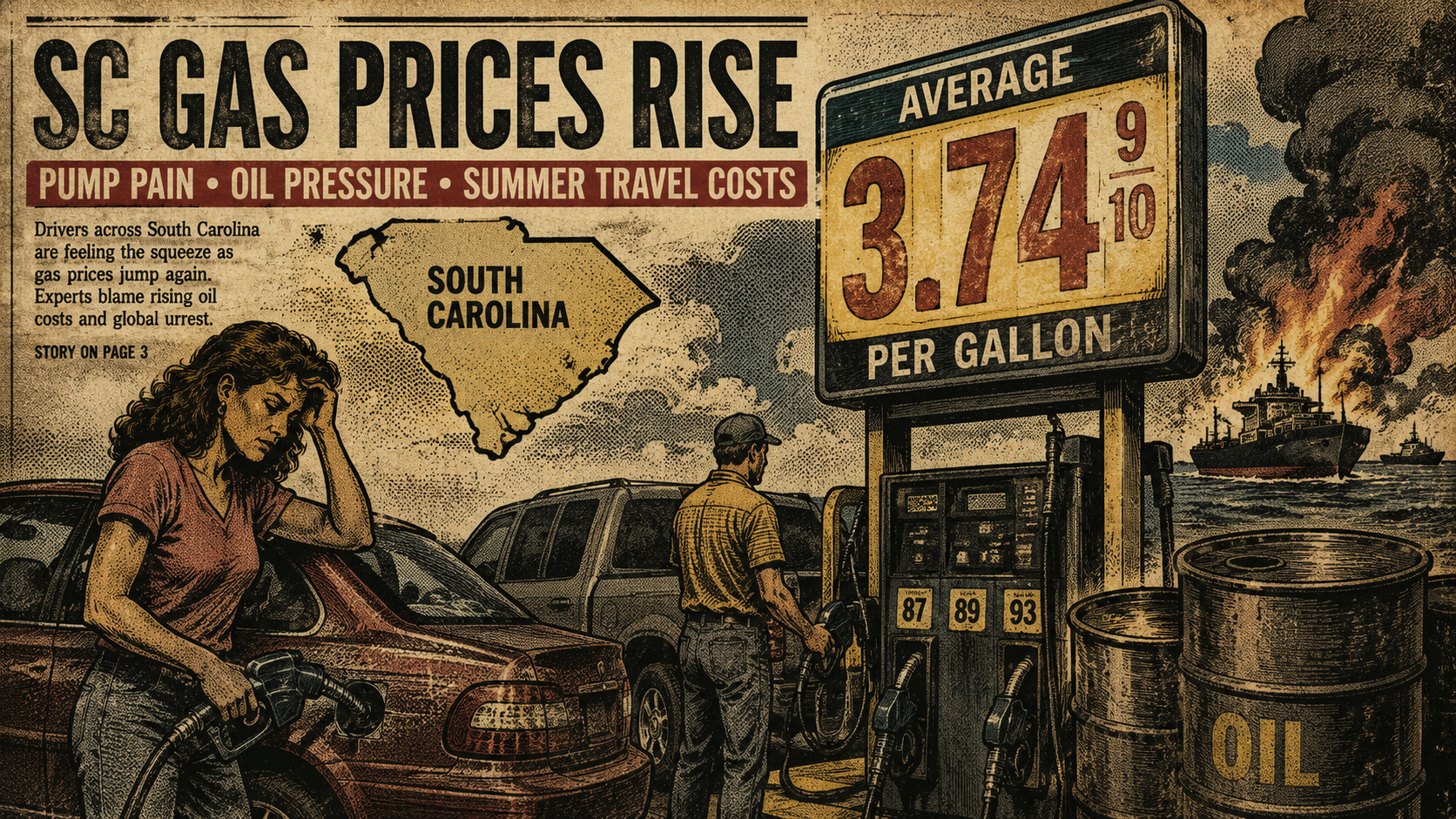
South Carolina drivers saw another increase at the pump Monday, with the statewide average rising to about $3.74 per gallon, according to GasBuddy data cited by ABC News 4. That was up 10.3 cents from the previous week, 28.4 cents from a month earlier, and 97.6 cents higher than the same time last year, according to the same report.
The simple version is that gas is getting more expensive.
The more accurate version is that South Carolina prices are being pulled by a mix of global oil pressure, refinery constraints, regional supply differences, and ordinary station-by-station competition that can leave drivers seeing very different prices depending on where they stop.
The Statewide Average Moved Higher
According to GasBuddy’s survey of more than 3,000 stations in South Carolina, the statewide average reached roughly $3.74 a gallon Monday. ABC News 4 reported that the cheapest station in the state was listed at $3.37, while the most expensive was listed at $5.19.
That spread matters.
A statewide average is useful because it gives readers a broad signal. But it is not what every driver pays. A person filling up along a major interstate, near a beach corridor, or in a high-traffic urban area may see a different number than a driver using a lower-priced station several miles away.
That is why a price increase can feel uneven even when the statewide trend is clear.
AAA’s South Carolina tracker showed a similar picture this week, with the state average for regular gas at $3.769 and diesel at $5.182. AAA also listed Charleston-North Charleston at $3.784, Columbia at $3.802, Greenville at $3.784, Myrtle Beach at $3.680, and Hilton Head-Bluffton at $3.831 for regular gas.
Those differences are not unusual. Gas prices vary by local taxes, delivery costs, competition, station branding, nearby demand, and how quickly stations replace cheaper fuel inventory with more expensive supply.
Why The Increase Is Not Just A Local Story?
Gas prices in South Carolina do not move in isolation.
Patrick De Haan, GasBuddy’s head of petroleum analysis, told ABC News 4 that gasoline and diesel prices rose in nearly every state as several international pressure points affected crude and refined fuel markets. He pointed to escalations between the U.S. and Iran, renewed Houthi attacks in the Red Sea, and Ukrainian strikes on Russian oil refineries.
That does not mean every penny at the pump can be traced to one conflict or one headline.
It means the fuel market is reacting to risk.
Oil prices tend to move not only when supply is actually disrupted, but also when traders, refiners, and distributors believe future supply could become harder or more expensive to secure. When the market builds in that risk, drivers often see it later at the pump.
The Associated Press reported last week that crude oil pushed past $100 a barrel amid renewed fighting in the Middle East, with instability near the Strait of Hormuz placing upward pressure on gasoline prices. AAA told the AP that volatility in the region could continue making driving more expensive during the second half of summer.
That is the broader backdrop behind the latest South Carolina increase.
National Prices Are Moving In The Same Direction
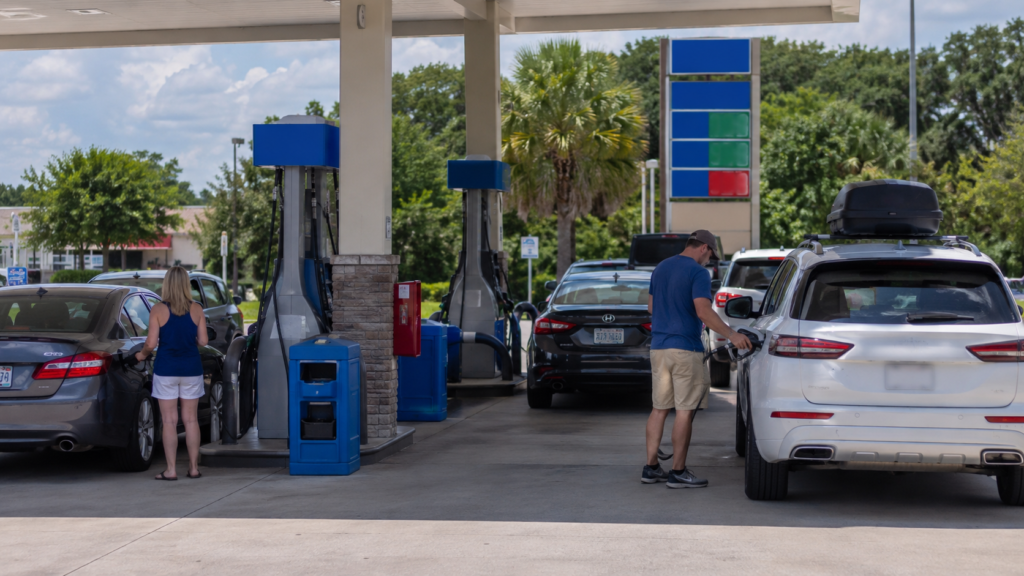
South Carolina is still cheaper than the national average, but the direction is similar.
ABC News 4 reported that the national average rose 10.8 cents over the past week to about $4.06 per gallon. ABC Columbia also reported that the national average had moved above $4, while South Carolina sat around $3.70 at the time of that update.
The AP later reported that the U.S. average for regular gasoline reached $4.09 a gallon Thursday, up 15 cents from a week earlier. A separate AP economic roundup said the national average rose to $4.11 by Friday, nearly a dollar higher than at the same time last year.
Those national numbers help explain why South Carolina drivers are feeling pressure even though the state often remains below the U.S. average.
South Carolina is not leading the price increase. It is being carried along by the same broader market.
Why Prices Can Rise Faster Than Drivers Expect
Fuel prices can feel sudden because the retail price is the final stop in a long chain.
Crude oil prices matter. But they are not the only piece.
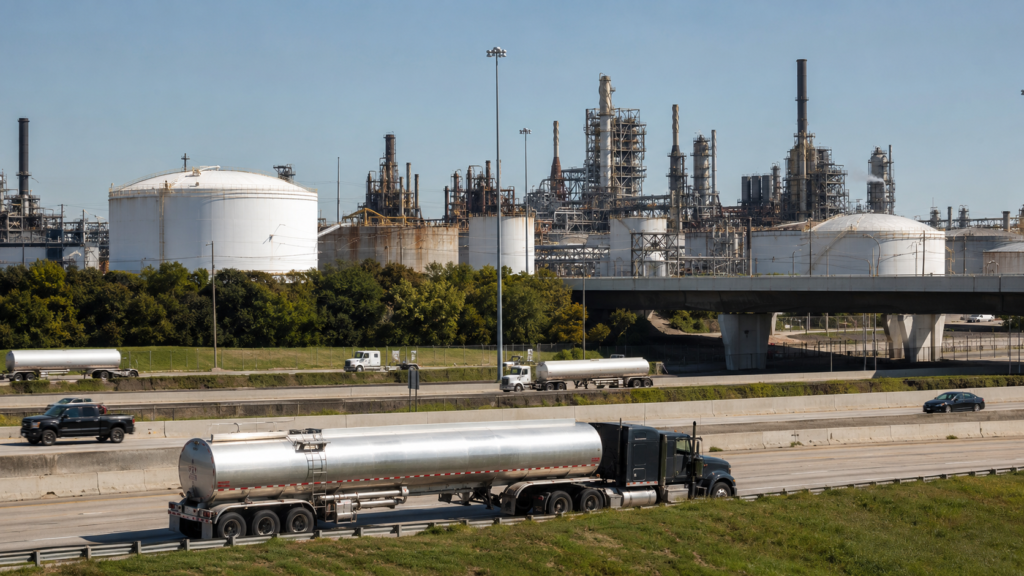
Refining capacity also matters. So do transportation costs, wholesale gasoline markets, regional inventories, and local competition. The AP noted that gasoline pressure could persist because fewer refineries are available to process crude than before the conflict, with facilities in the Middle East damaged and Ukrainian attacks affecting refineries in Russia.
That is why crude prices and pump prices do not always move in a perfectly clean line.
A barrel of oil can fall slightly while gasoline stays high if refining margins, distribution costs, or inventories remain tight. The reverse can also happen. A single day of lower oil trading does not automatically mean drivers see immediate relief.
De Haan told ABC News 4 that a weekend pullback in hostilities offered some relief, with oil prices opening lower Sunday. But he also said prices were likely to remain elevated and that further increases would depend heavily on geopolitical developments in the coming week.
That is a careful way to read the market: pressure has eased somewhat, but the situation has not stabilized enough to call the price spike over.
The Local Difference Can Be Nearly Two Dollars
One of the more useful details in the GasBuddy report is not just the average. It is the gap between the cheapest and most expensive stations.
According to ABC News 4, the lowest listed station in South Carolina was $3.37 per gallon, while the highest was $5.19. That is a difference of $1.82 per gallon.
For a 15-gallon fill-up, that kind of difference can mean more than $27 between two stations.
That does not mean every driver can or should spend extra time hunting for cheaper gas. The savings can disappear if the cheaper station requires a long detour. But for commuters who regularly pass multiple stations, the spread is large enough to matter.
It also shows why statewide averages can hide the day-to-day reality of fuel costs.
The average tells drivers where the market is moving. The station sign tells them what they actually pay.
Diesel Prices Add Another Layer
Gasoline tends to get the most attention because most households buy it directly. Diesel matters because it affects the cost of moving goods.
AAA’s South Carolina tracker showed diesel averaging $5.182 statewide, with several metro areas above $5.10. Charleston-North Charleston was listed at $5.245, Columbia at $5.207, Myrtle Beach at $5.163, and Sumter at $5.268.
That matters beyond truck drivers.
When diesel rises, shipping gets more expensive. Food, retail goods, building materials, and deliveries can all become costlier if higher transportation expenses work their way through supply chains.
The AP reported that higher fuel costs can affect shipping, trucking, cold storage, packaging, imported goods, and even some back-to-school items because oil and petroleum-based inputs touch so many parts of the economy.
That does not mean every price on every shelf rises immediately.
It means fuel is one of the costs that can quietly spread through the economy after the pump price gets everyone’s attention first.
Why Drivers Should Be Careful With One-Week Readings?
One-week gas price moves are useful, but they can also be misleading if treated like a permanent trend.
A weekly increase may reflect a temporary crude spike, refinery issue, holiday travel demand, or rapid change in wholesale prices. A weekly decrease may reflect a short pause rather than a lasting decline.
That is why it is better to read this week’s increase as a signal, not a verdict.
The signal is clear: South Carolina drivers are paying more than they were last week, last month, and last year. The unresolved question is whether the market stays under pressure or begins to cool if oil prices settle and global conflict risk eases.
For now, the safer assumption is that prices may remain unstable.
What Drivers Can Do Right Now
There is no magic answer for individual drivers when global oil markets are moving.
But there are a few practical steps that can reduce the damage:
· Compare nearby station prices before filling up.
· Avoid long detours that erase potential savings.
· Keep tires properly inflated to avoid wasting fuel.
· Combine trips when possible.
· Watch diesel-related costs if a household or business depends on shipping, hauling, or deliveries.
These steps do not change the market. They simply help drivers avoid paying more than necessary in a week when local station differences are unusually wide.
The Bottom Line
South Carolina gas prices rose again Monday, with GasBuddy data cited by ABC News 4 putting the statewide average around $3.74 per gallon.
AAA’s tracker showed a similar range, with regular gas averaging $3.769 statewide and prices above $3.80 in some metro areas.
The increase is not just a South Carolina story. It is part of a national and global fuel-market shift tied to crude oil pressure, geopolitical risk, refinery strain, and regional supply conditions.
The simple version is that gas is more expensive.
The more accurate version is that the market remains unsettled, and drivers should treat any short-term relief cautiously until the broader energy picture becomes clearer.
For now, South Carolina remains below the national average — but that does not make the increase painless for families, commuters, or businesses that depend on fuel every day.
Follow us for updates on this developing story and more regional coverage.