Aiman Tariq – Regional News Editor
Georgetown, SC –
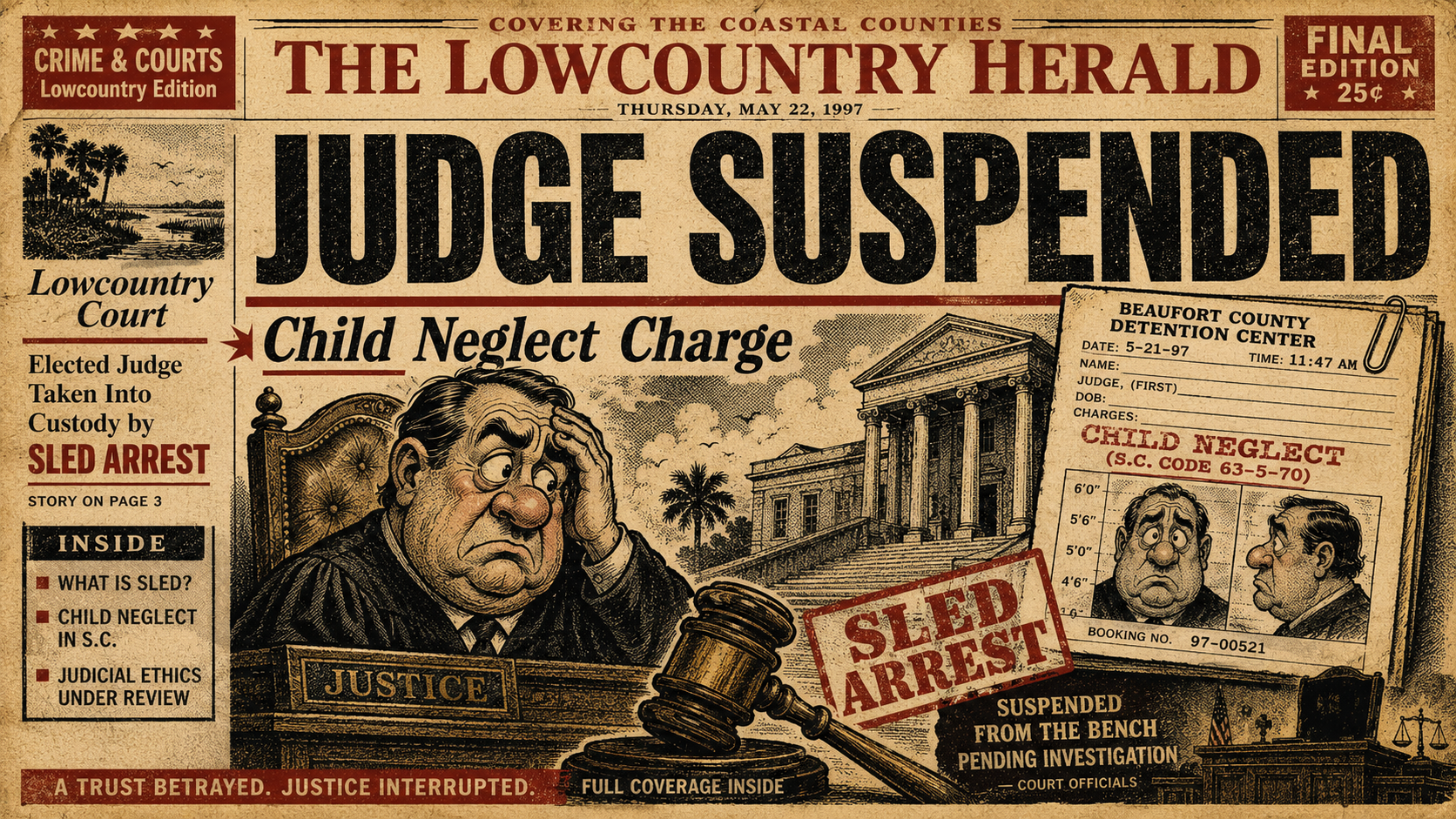
A Lowcountry municipal judge was arrested Thursday and suspended from the bench the same day, according to South Carolina Public Radio and jail records cited in its report.
Richard Dana Todd Jr., 46, was booked at the Georgetown County Detention Center on a child neglect charge, according to South Carolina Public Radio. The case was investigated by the South Carolina Law Enforcement Division, or SLED.
The South Carolina Supreme Court also issued an order suspending Todd from his judicial duties. According to South Carolina Public Radio, the order said Todd posed a “substantial threat of serious harm to the public.”
That does not mean the allegations have been proven. It does mean the state’s highest court moved quickly to remove a sitting local judge from the bench while the criminal case and any related judicial review move forward.
Arrest Confirmed; Details Still Limited
The available public record remains thin.
According to South Carolina Public Radio, Todd was arrested Thursday and booked into the Georgetown County Detention Center. Jail records cited by the outlet list the charge as child neglect.
SLED made the arrest, according to the same report. SLED commonly investigates cases involving public officials or matters referred from local agencies, but the publicly available reporting reviewed so far does not include a detailed arrest warrant narrative, a timeline of the alleged conduct, or a statement from investigators explaining what led to the charge.
That gap matters.
A charge tells readers what prosecutors or investigators allege. It does not, by itself, explain the facts behind the allegation or establish guilt.
This is why newsroom language matters in stories like this. The accurate phrasing is not that Todd committed child neglect. The accurate phrasing is that he was booked on a child neglect charge, according to jail records and reporting from South Carolina Public Radio.
Supreme Court Suspends Him From Judicial Duties
The more unusual part of the story is the speed of the judicial response.
The South Carolina Supreme Court suspended Todd from his judicial duties the same day he was arrested, according to South Carolina Public Radio. The court’s order reportedly said he posed a “substantial threat of serious harm to the public.”
That phrase is significant because it signals an emergency-style intervention rather than a routine personnel matter.
South Carolina’s judicial discipline rules allow sanctions against judges for serious misconduct, including conduct involving violations of court orders, criminal convictions in certain circumstances, or conduct that affects judicial duties. The state’s Rule 7 on judicial discipline describes possible sanctions ranging from reprimands to removal, depending on the findings and circumstances.
But this case is not at that final stage.
The suspension means Todd is off the bench for now. It does not decide the criminal case. It does not resolve any future disciplinary case. It creates distance between the court system and a judge facing a serious allegation while the process continues.
Why the Judicial Role Matters
Municipal judges handle cases that may not always draw the same attention as circuit court trials, but the position carries real authority.
Municipal courts often deal with traffic offenses, local ordinance violations, misdemeanor-level matters, bond-related issues, and other cases that affect residents directly. The judge is still part of the state’s judicial system, and the public is expected to trust that court decisions are being made by someone fit to exercise that authority.
That is why an arrest involving a sitting judge becomes more than a standard booking story.
For most defendants, the legal question is limited to the criminal charge. For a judge, there is a second question: whether the allegation undermines confidence in that person’s ability to continue exercising judicial power while the case is pending.
The Supreme Court’s suspension answers that second question, at least temporarily.
What We Know and What We Do Not?
There are a few facts that appear clear from the available reporting.
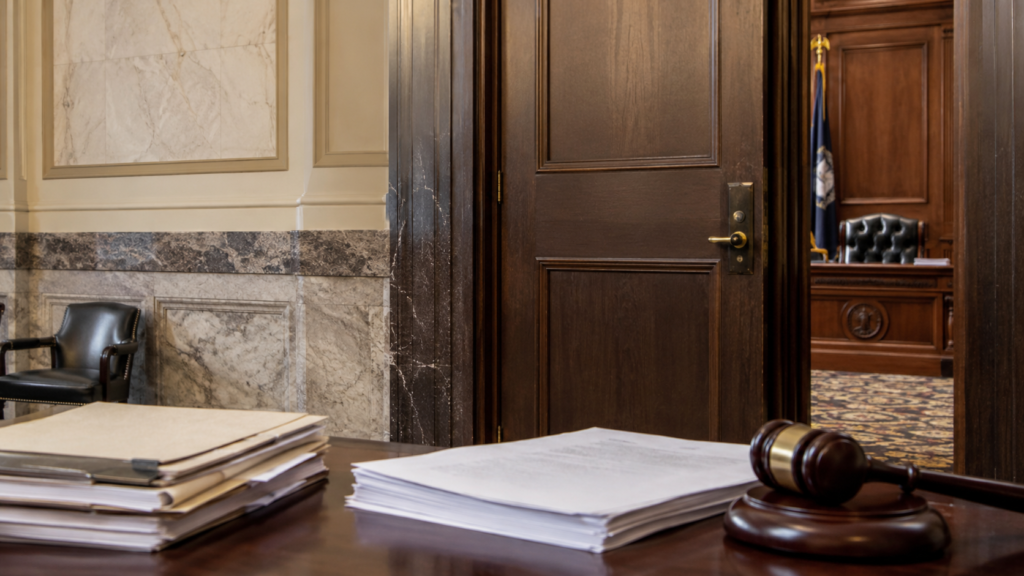
Todd is identified as a chief municipal judge in Georgetown County. He was arrested Thursday. Jail records list a child neglect charge. SLED made the arrest. The South Carolina Supreme Court suspended him from judicial duties the same day.
The unclear part is almost everything behind those basic points.
Public reporting reviewed so far does not explain the alleged circumstances behind the child neglect charge. It does not identify whether the charge involves a single incident or a broader pattern. It does not include a public statement from Todd, his attorney, the municipality, SLED, or prosecutors. It also does not show whether Todd has entered a plea.
That does not make the story unimportant. It makes it incomplete.
When a public official is arrested, especially a judge, readers naturally want the full narrative quickly. But the early stage of a criminal case is also the stage where details are most likely to be partial, one-sided, or still sealed inside court documents.
The safest reading is this: the arrest is confirmed, the suspension is confirmed through reporting, and the allegation is serious. The facts behind that allegation still need to be developed through court records, public filings, and official statements.
The Difference Between Suspension and Guilt
A suspension from judicial duties can sound like a conclusion.
It is not.
The South Carolina Supreme Court’s reported order removes Todd from the bench while the matter is pending. That action protects the court system’s integrity and public confidence while the allegations are addressed. It does not replace the criminal process.
Todd, like any defendant, is presumed innocent unless and until proven guilty in court.
That distinction is not just legal boilerplate. It matters because judges, like police officers, teachers, elected officials, and other public employees, can face career consequences before a criminal case is resolved.
Sometimes those consequences are appropriate because of the public trust attached to the role. But they should still be described accurately.
The Supreme Court did not convict Todd. It suspended him.
Investigators did not prove the case in a news story. They arrested him on a charge.
The next steps will matter.
Why This Draws Public Attention?
Cases involving judges tend to land differently with the public because judges sit at the center of the accountability system.
A judge is the person expected to weigh evidence, interpret law, and make rulings affecting other people’s freedom, money, driving privileges, and legal rights. When a judge becomes a defendant, the normal power dynamic flips.
That does not mean judges should be treated more harshly in the criminal process. It does mean the public has a legitimate interest in knowing how the court system responds.
In this case, the response was immediate.
The Supreme Court suspended Todd from the bench on the same day as the arrest, according to South Carolina Public Radio. That quick action suggests the court viewed the allegation as serious enough to remove him from judicial duties before the criminal case could unfold.
What Happens Next in the Criminal Case?
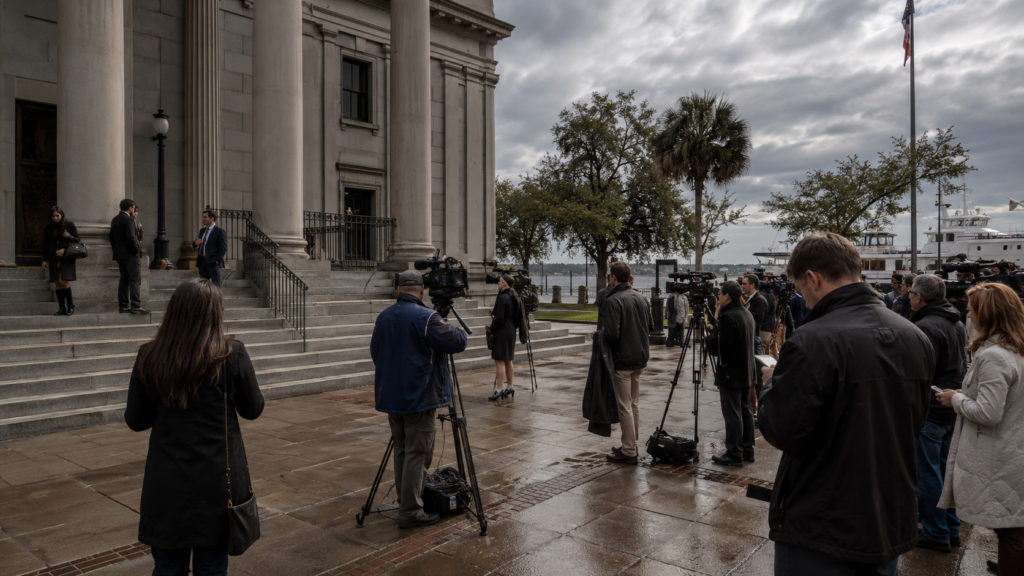
The next steps are likely to depend on the local court schedule, formal charging documents, bond conditions, and whether prosecutors move the case forward through the normal criminal process.
Because SLED made the arrest, the case may involve coordination beyond the local police level. But that does not automatically reveal the facts. Those will come through warrants, hearings, filings, or statements from prosecutors if they become available.
For now, the public should be cautious about filling in blanks.w`q
Child neglect is a serious charge. It is also a broad category that can cover different alleged conduct depending on the facts and statute involved. Without the warrant narrative or charging documents, it would be irresponsible to describe the alleged conduct more specifically than the public record supports.
The central verified fact remains that Todd has been charged and suspended, not that the allegations have been proven.
What Happens Next in the Judicial Process?
The judicial side may move separately from the criminal case.
South Carolina’s judicial discipline framework allows the Supreme Court to act when a judge’s continued service raises concerns. The court can impose different forms of discipline depending on the case, though final action usually depends on findings, procedure, and the nature of the conduct involved.
That process is separate from whether a prosecutor can prove a criminal charge.
It is possible for a criminal case and a judicial discipline matter to move at different speeds. One may wait on the other. One may develop more public records than the other. In some cases, a suspension remains in place until the court receives more information.
That appears to be where this case stands now.
Todd is off the bench. The criminal case is pending. The public record is still limited.
The Bottom Line
A Lowcountry municipal judge has been arrested and suspended from judicial duties after being booked on a child neglect charge, according to South Carolina Public Radio.
Richard Dana Todd Jr., 46, was arrested by SLED and booked at the Georgetown County Detention Center. The South Carolina Supreme Court suspended him from the bench the same day, reportedly saying he posed a “substantial threat of serious harm to the public.”
The allegation is serious. The court’s response was swift.
But the public record does not yet explain the facts behind the charge in detail. No conviction has been reported, and the case remains at an early stage.
For now, the story is not only about an arrest. It is about public trust in the local courts, the limits of early reporting, and the importance of separating confirmed facts from allegations while the legal process moves forward.
Follow us for updates on this developing story and more South Carolina court coverage.