Aiman Tariq – Regional News Editor
Columbia, SC –
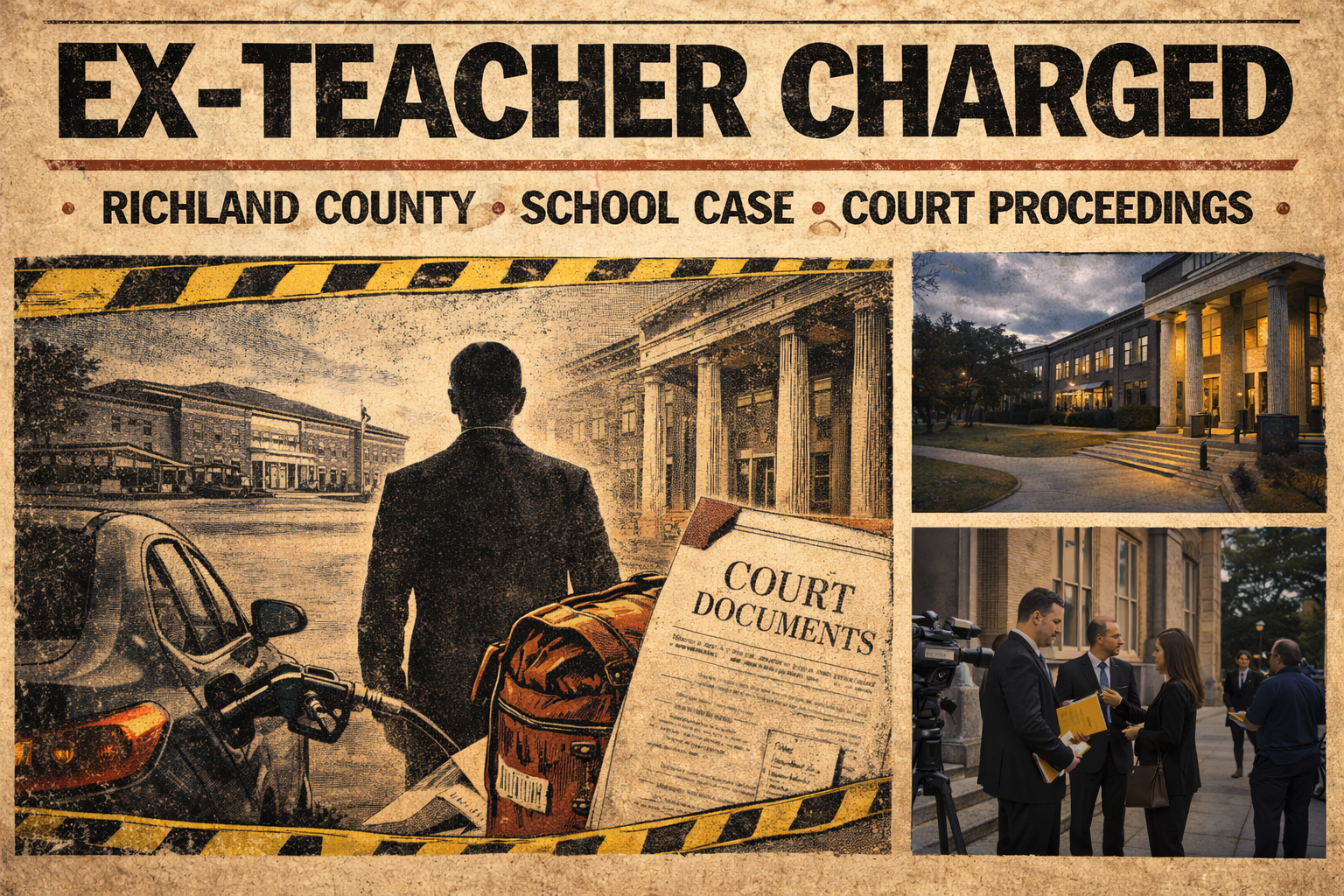
According to local reporting and state education records, a former teacher with ties to Richland county schools is now facing additional charges in a South Carolina criminal case that already involved allegations of child sex crimes.
The case centers on Eric Marshall Favor Jr., 29, who was arrested in Marion County in February on multiple charges, including criminal sexual conduct charges involving minors, promoting prostitution of a minor, and criminal conspiracy, according to WIS and other South Carolina outlets. Authorities later added two counts alleging exposure of another person to HIV. Those are allegations, and prosecutors would ultimately have to prove them in court.
The case has drawn wider attention not only because of the new charges, but because Favor previously worked in more than one school system, including at Lower Richland High School and, earlier, at schools in Marion County and the Columbia area. State education records show his educator certificate was summarily suspended in March after his arrest.
What Authorities Say Happened?
According to WIS, Favor was arrested on Feb. 10 in Marion County after an investigation that authorities said began in 2024 and involved two underage victims. Officials have not publicly released many details about the underlying allegations, which is common in cases involving minors.
Authorities later added two more charges on April 9, alleging that Favor exposed others to HIV. Public reporting has not laid out the full evidentiary basis for those additional counts, and that is one reason careful wording matters here. A teacher arrested in a high-profile case can quickly become the subject of rumor, but the public record still turns on formal charges, court proceedings, and what prosecutors can establish.
As of the latest local reports, Favor remained in custody at the Marion County Detention Center after bond was denied.
State Education Records Added Another Layer
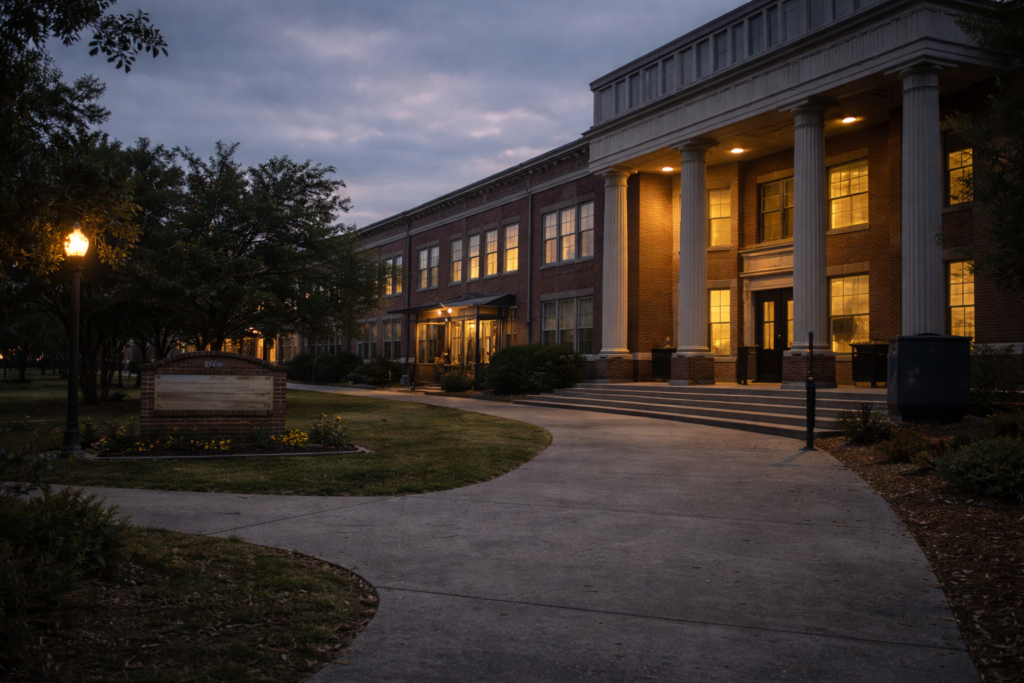
Separate from the criminal case, documents from the South Carolina Department of Education show the state moved to suspend Favor’s teaching license after his arrest.
The March 9 summary suspension order stated that he “may pose a threat to the health, safety and welfare of students” who could otherwise be under his instruction. That language is administrative, not a criminal finding, but it helps explain why the education side of the case moved quickly even while the criminal allegations remain unresolved in court.
According to reporting cited by WIS and WMBF, Favor resigned from Richland School District One on the day of his arrest. Records also indicate he had previously taught at Johnakin Middle School in Marion County and at Southeast Middle School.
That broader employment history is one reason the case has attracted attention beyond Marion County. It touches school systems in more than one part of the state, including richland county in south carolina, where parents and school communities are likely to look for clearer answers about hiring histories, reporting procedures, and what officials knew at various stages.
Why the Public Record Still Has Limits?
Cases involving allegations against educators often generate intense public reaction, and for understandable reasons. But this is also where the limits of early reporting matter most.
At this stage, the public record shows an arrest, a list of charges, an educator-license suspension, and confirmation that the investigation involved two underage victims. It does not yet provide a full courtroom-tested narrative of what happened, how the evidence was gathered, or how the defense may respond.
That distinction is especially important in stories that combine criminal allegations with administrative action. A school district or state agency can move quickly on employment or licensing decisions based on risk and policy. A criminal conviction requires a different standard and a different process.
School-System Questions Are Likely to Follow
The case is likely to raise questions not only about the criminal allegations themselves, but also about oversight and information-sharing across districts.
That does not mean there is evidence, at least in the reporting currently available, of a broader institutional failure. But when an educator has worked in multiple schools and then faces serious charges, it is common for communities to ask whether warning signs were missed, whether prior complaints existed, and whether screening systems worked the way the public assumes they do.
Some readers may even search using phrases like richland country, but the relevant institutional trail here points back to Richland County schools and Marion County investigators, according to the reporting now available.
What Happens Next?
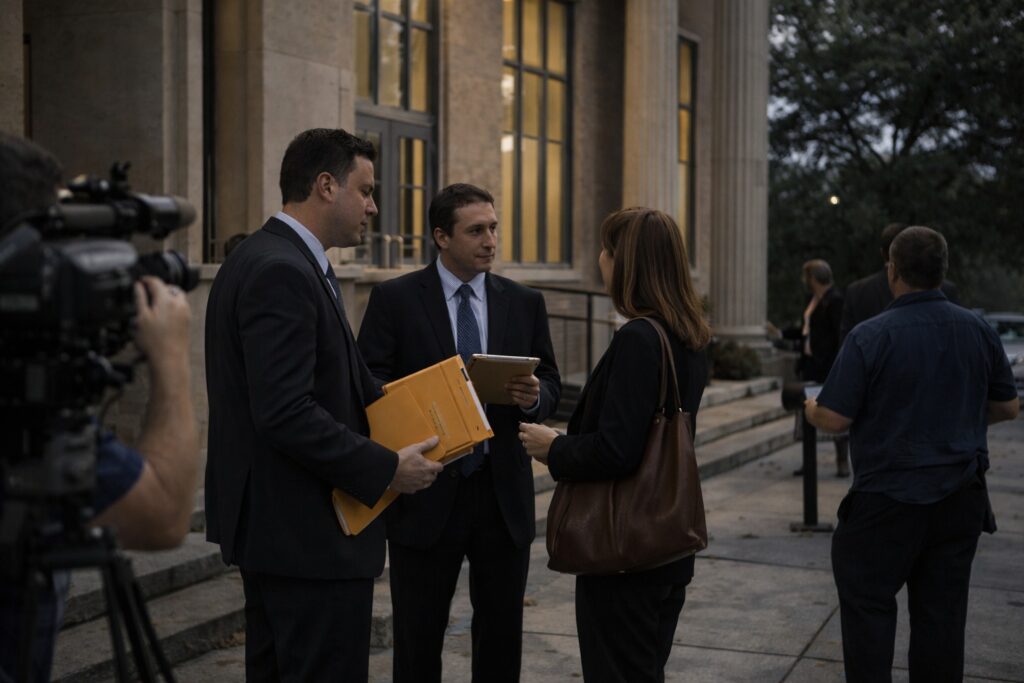
The criminal case will now move through the courts, where the factual basis for the charges will be tested more fully.
That process could include preliminary hearings, motions, discovery disputes, and possible bond-related or procedural filings before any trial date is set. The additional HIV-exposure charges may also bring a different evidentiary focus than the original counts, depending on how prosecutors structure the case.
For now, what the public has is a set of serious allegations, confirmed employment history in multiple South Carolina schools, and a state license suspension that reflects the education system’s view that immediate action was warranted pending the criminal proceedings.
The Bottom Line
According to South Carolina media reports and state education records, a former educator connected to richland county schools is facing additional charges in a case that already included serious allegations involving minors.
The charges are significant, but they are still charges. At this stage, the careful way to describe the case is that authorities have expanded it, state education officials have suspended the teacher’s certificate, and the courts will determine what can be proven.
For readers in Columbia, Marion County, and the wider Midlands, the immediate question is not only what prosecutors allege, but what the full record will show once the case moves further into court.