Aiman Tariq – Regional News Editor
Salemburg, NC –
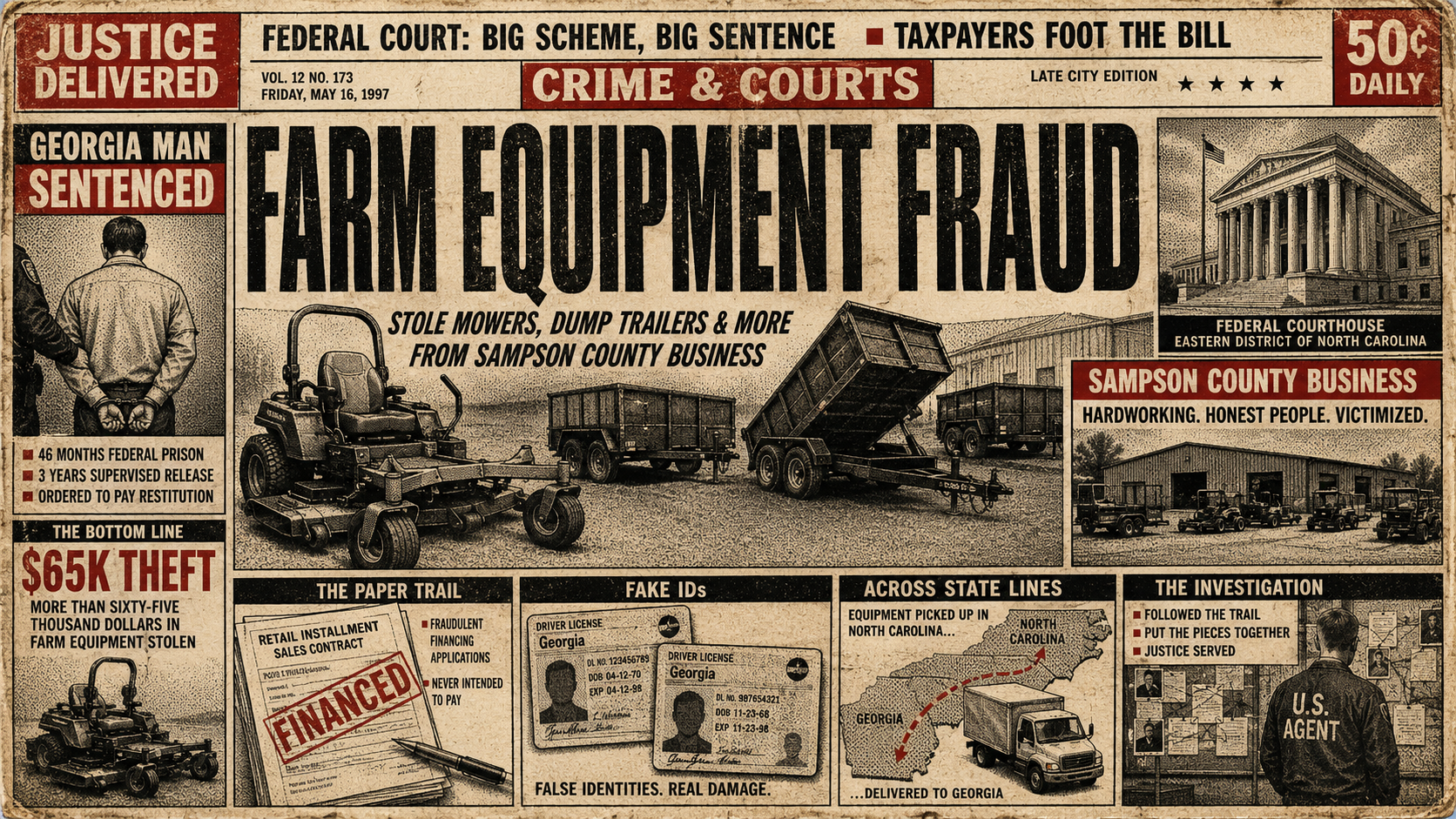
A Georgia man has been sentenced to more than four years in federal prison after prosecutors said he used stolen identities and fake driver’s licenses to fraudulently obtain more than $65,000 worth of farm machinery and equipment from a business in Sampson County.
According to the U.S. Attorney’s Office for the Eastern District of North Carolina, Roderick Michael Bates, 56, pleaded guilty to identity theft and wire fraud before he was sentenced by U.S. District Judge James C. Dever III. Prosecutors said the scheme involved high-value equipment purchased from a farm machinery and equipment business in Salemburg, a Sampson County town about 60 miles south of Raleigh.
The case is not complicated in the way some fraud cases are. It does not involve a sprawling corporate scheme or a long list of shell companies. According to federal prosecutors, it involved stolen identities, fake identification documents, financing applications, and equipment shipped hundreds of miles away.
That makes it easier to understand — but not necessarily less serious.
What Prosecutors Say Happened?
According to prosecutors, Bates used stolen identities and fake driver’s licenses to secure financing for farm machinery and equipment from the Salemburg business. The equipment included a zero-turn mower, an Evolution D5 Ranger golf cart, and 12-foot and 16-foot dump trailers.
Federal officials said the total value of the stolen items was more than $65,000.
The government’s version of the case is straightforward: Bates used fraudulent identities to obtain the equipment, then had the business send those items to him outside North Carolina.
That is the part that turned a local business fraud into a multi-agency case.
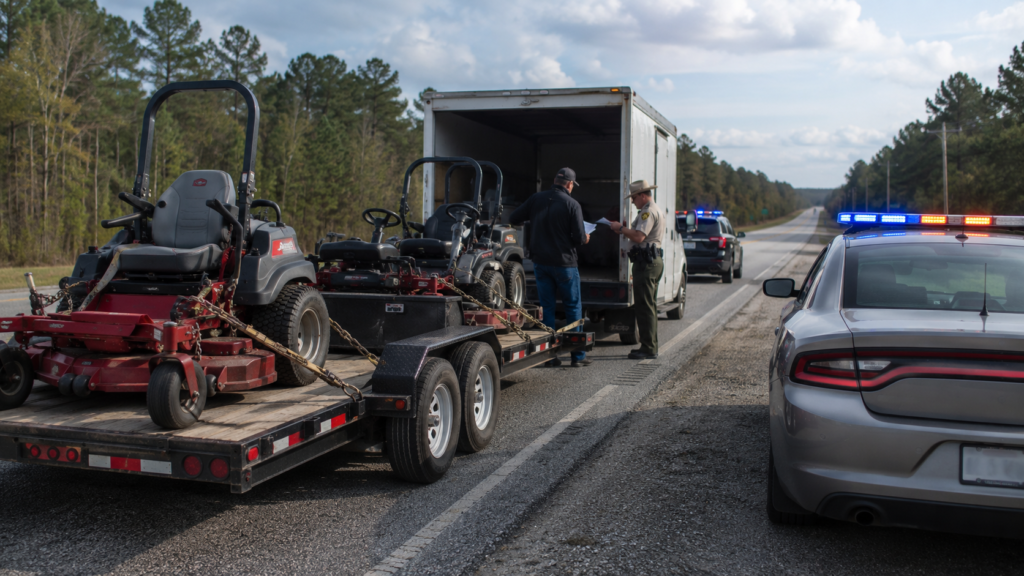
According to prosecutors, law enforcement officers arrested Bates during the delivery and recovered the stolen equipment. The U.S. Attorney’s Office said the Sampson County Sheriff’s Office and the FBI worked together on the investigation.
Guilty Plea Came Before Sentencing
Bates’ sentence followed a guilty plea earlier this year.
In March, the U.S. Attorney’s Office announced that Bates had pleaded guilty to identity theft and wire fraud. At that time, prosecutors said he faced a mandatory minimum of two years and a possible maximum penalty of 42 years in prison. The final sentence announced this week was more than four years in federal prison.
That difference matters because the maximum penalty listed after a plea is not the same as the sentence ultimately imposed.
Federal sentencing usually depends on several factors, including the charges, the defendant’s conduct, the loss amount, the federal sentencing guidelines, any plea agreement, and the judge’s assessment of the case.
In this case, prosecutors announced the sentence after Judge Dever imposed it in federal court.
The Business Was in North Carolina, the Defendant Was in Georgia
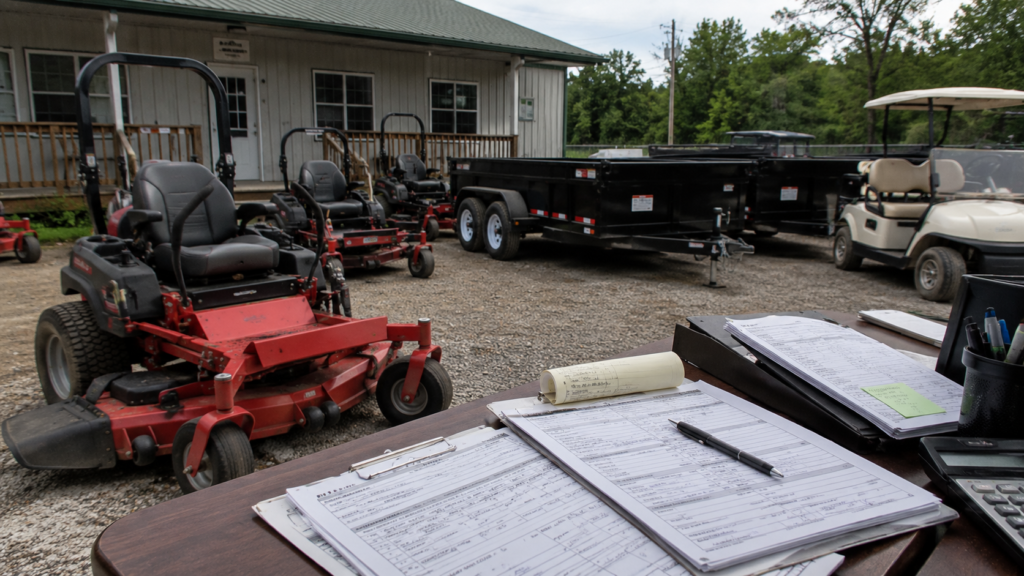
The cross-state nature of the case is part of why prosecutors framed the sentence as a warning to out-of-state offenders.
“This Georgia criminal chose poorly coming up here to steal from a local business in Sampson County,” U.S. Attorney Ellis Boyle said in a statement released by his office. “Let this be a message to out-of-state criminals who think they can swindle the good people of the Eastern District of NC. We will find you, no matter where you are, and put you behind bars. Cheaters. Never. Win.”
That statement is forceful, but the underlying point is practical.
Fraud no longer needs to happen face-to-face. A person can use false identification, remote communication, financing paperwork, shipping arrangements, and stolen personal information to target a business in another state. That makes the crime feel local to the victim and regional to investigators.
For small businesses, that can be a difficult risk to manage.
A farm equipment dealer may be built around relationships, financing, inventory, and delivery logistics. When fraudulent paperwork gets through the system, the loss can involve not only the equipment itself but time, staff hours, insurance questions, and the disruption of recovering property.
Identity Theft Adds a Second Layer
The stolen equipment is the most visible part of the case. But the identity-theft element is another piece of the harm.
According to federal prosecutors, Bates used stolen identities with fake driver’s licenses to secure financing. That means the case involved more than a business losing equipment. It also involved people whose personal identifying information was allegedly used as part of the fraud.
Identity theft cases can leave a long administrative trail even after the criminal case is resolved.
Victims may need to dispute fraudulent accounts, repair credit records, monitor financial activity, and document that they did not authorize transactions made in their names. Those consequences do not always show up in a simple dollar total.
That is why federal prosecutors often treat identity-theft cases as more than paperwork crimes. The loss can be financial, but it can also be personal and time-consuming.
Why Does Wire Fraud Apply?
The wire-fraud charge reflects the way prosecutors say the scheme was carried out.
Wire fraud generally involves using interstate communications — such as electronic systems, phone lines, internet-based transactions, or other wire communications — to execute a fraud scheme. In cases involving financing, shipping, and out-of-state transactions, federal jurisdiction can come into play quickly.
The U.S. Attorney’s Office did not lay out every technical detail in its short sentencing announcement. But prosecutors said Bates used stolen identities and fake licenses to obtain financing, then arranged for the equipment to be shipped outside North Carolina.
That is enough to explain why the case moved through federal court rather than being handled only as a local theft matter.
Local Business Fraud Can Travel Far
Cases like this sit in a space between old-fashioned theft and modern financial fraud.
The items at issue were physical: a mower, a golf cart, and dump trailers. But the method prosecutors described relied on identity documents and financing systems. That combination is what makes the case relevant beyond one Sampson County business.
For local readers, the lesson is not simply that one defendant was sentenced. It is that businesses selling expensive equipment can be targeted from far away, particularly when buyers use financing and delivery instead of in-person cash transactions.
That does not mean every remote customer is suspicious. It means verification matters.
Businesses that sell high-value items often have to balance customer service with fraud prevention. Too much friction can slow legitimate sales. Too little can create openings for bad actors.
Earlier Plea Announcement Added Context
When Bates pleaded guilty in March, Sampson County Sheriff Jimmy Thornton also framed the case as a warning that distance would not necessarily prevent investigators from pursuing suspects.
“I would like to thank our federal partners that helped bring this individual to justice,” Thornton said in the earlier announcement. “The citizens of Sampson County should know that our offices will work tirelessly to protect the property and livelihoods of every citizen. Regardless of distance, we will find them.”
That statement points to one of the larger realities of the case: local law enforcement alone may not always have the tools or reach needed when fraud crosses state lines.
Here, prosecutors said the Sampson County Sheriff’s Office and FBI collaborated. That partnership appears to have been central to recovering the equipment and moving the case into federal court.
The Recovery of Equipment Matters
In many theft and fraud cases, recovery is not guaranteed.
By the time investigators identify a suspect, stolen property may have been resold, stripped for parts, moved again, or mixed into other transactions. Prosecutors said law enforcement arrested Bates during the delivery and recovered the stolen items.
That timing likely mattered for the business.
Recovering equipment does not erase the crime. But it can reduce the practical damage for the victim and strengthen the prosecution’s account of how the scheme unfolded.
It also gives the case a cleaner ending than many fraud cases, where the money or property is gone long before charges are filed.
What Happens Next?
The sentencing closes a major stage of the federal case.
Bates has been sentenced to more than four years in federal prison after pleading guilty to identity theft and wire fraud. The public announcement from the U.S. Attorney’s Office did not provide additional details about restitution, supervised release, or any remaining financial penalties beyond the prison term.
Court records are listed under the U.S. District Court for the Eastern District of North Carolina, Case No. 7:25-CR-00117-D. Prosecutors said additional documents can be found through the federal court system and PACER.
For now, the central facts are the plea, the sentence, the recovered equipment, and the government’s account of a fraud scheme that began with stolen identities and ended in federal prison time.
The Bottom Line
A Georgia man has been sentenced to more than four years in federal prison after prosecutors said he used stolen identities and fake driver’s licenses to obtain more than $65,000 in farm machinery and equipment from a Sampson County business.
According to the U.S. Attorney’s Office, Roderick Michael Bates pleaded guilty to identity theft and wire fraud.
The stolen equipment included a zero-turn mower, an Evolution D5 Ranger golf cart, and dump trailers, all of which prosecutors said were recovered when law enforcement arrested Bates during delivery.
The case is a reminder that property fraud does not always stay local. A business in a small North Carolina town can be targeted from another state through identity theft, financing paperwork, and delivery logistics.
The broader lesson is not dramatic, but it is useful: for businesses selling expensive equipment, verification matters. And for investigators, cross-state fraud often requires local and federal agencies to work the same case from different angles.