Aiman Tariq – Regional News Editor
Rincon, GA –
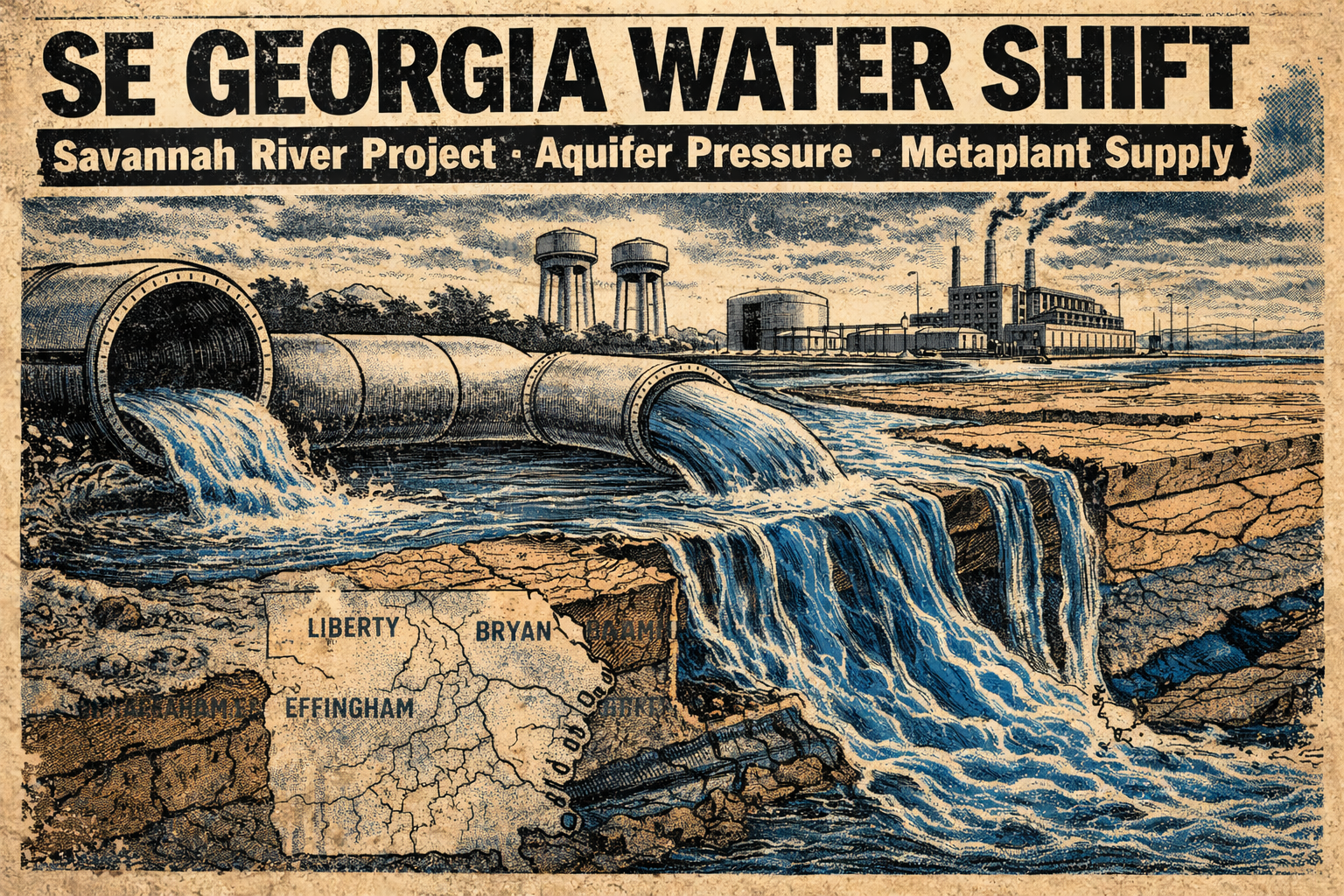
A major southeast Georgia water project is moving forward, with local officials saying it could reshape how some of the region’s fastest-growing communities secure drinking water and industrial supply in the years ahead. The project centers on a new surface-water system tied to the Savannah River, along with upgrades in Effingham County, Bryan County, and the City of Savannah.
According to reporting from the Statesboro Herald, roughly $500 million was approved in 2025 for the regional package, with the largest share directed toward a new surface water treatment plant in Effingham County. Officials say the broader goal is not just expansion. It is also to reduce long-term dependence on the Floridan Aquifer in parts of coastal Georgia where groundwater withdrawals have faced restrictions for years.
That distinction matters. In southeast Georgia, water planning is not simply about adding supply where growth is strongest. It is also about where that water comes from — and whether the region can continue to rely on groundwater in the same way it did in earlier decades.
What the Project Is Designed to Do?
According to Effingham County Manager Tim Callanan, the project is meant to bring more ground and surface water planning into balance by creating a larger treated surface-water supply from the Savannah River. Under the current plan, Effingham County would build a new river intake, a treatment plant, and transmission lines that would send water both to local users and to the Hyundai Metaplant area in Bryan County.
The project is expected to unfold in phases. Reporting from the Statesboro Herald says phase one includes upgrades to Savannah’s I&D Water Treatment Plant, new transmission infrastructure, and a connection that would begin shifting some supply away from groundwater. A later phase would include Effingham County’s new treatment plant, with completion projected in the 2030 to 2032 range.
Savannah’s portion is already moving. The city held a groundbreaking for improvements at the I&D plant in January, part of a package officials say is intended to expand capacity, improve reliability, and modernize aging infrastructure. For readers trying to understand the role of city savannah water in the regional picture, that is a key point: Savannah is not stepping back from water supply. It is expanding its own system even as neighboring counties prepare to take on a larger role.
Why Groundwater Limits Keep Coming Up?
Much of the project’s logic comes back to the Floridan Aquifer and the restrictions that already shape water policy in coastal Georgia.
Georgia’s Coastal Permitting Plan placed limits on groundwater withdrawals in Chatham, Bryan, Liberty, and parts of Effingham County because of long-running concerns about saltwater intrusion. State planning materials say the restrictions were created specifically because overreliance on the aquifer in coastal areas created risks that could not be ignored indefinitely.
That is why officials keep emphasizing groundwater zones and permitting limits. Bryan County, for example, has been described in recent local coverage as being within an area where groundwater withdrawal capacity is limited. That does not mean groundwater disappears from the equation. It means new growth is harder to support if the region relies too heavily on the same source.
This is also where some search terms and public confusion can overlap. Phrases like georgia zones for planting sometimes appear in online searches even when the issue at hand is really water management and aquifer restrictions, not agriculture maps or gardening guidance. In this case, the more relevant policy question is how Georgia has divided coastal areas for water-use planning and what those restrictions mean for future development.
Hyundai’s Water Demand Adds Urgency
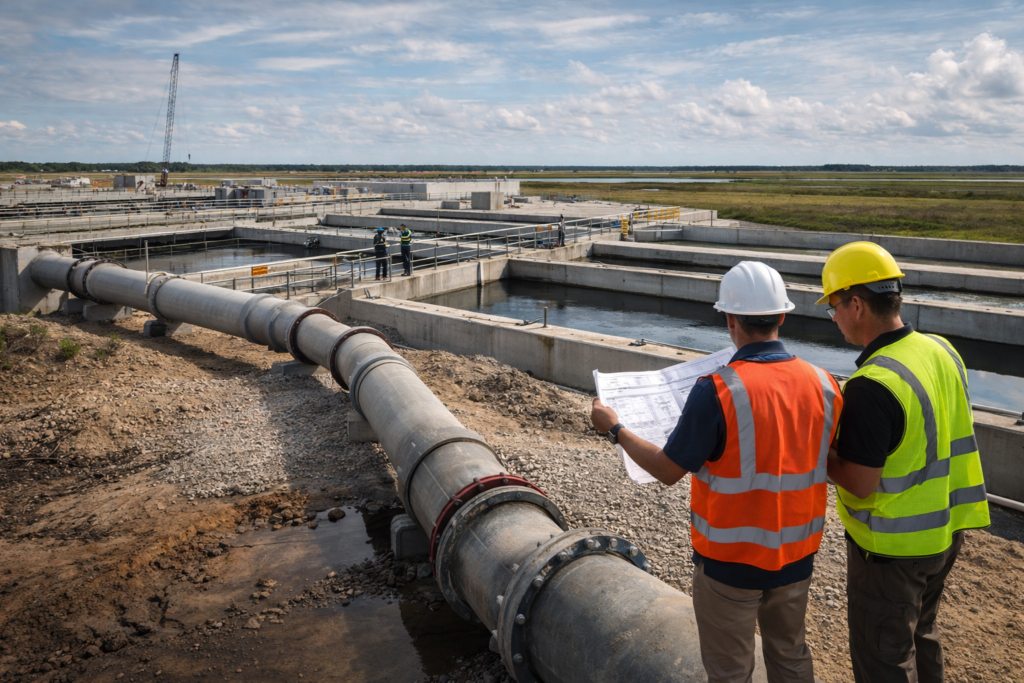
The regional pressure point behind much of this planning is Hyundai’s Metaplant in Bryan County.
According to local reporting, the Hyundai facility is currently permitted to draw 6.6 million gallons per day from wells in Bulloch County. Effingham officials say the goal is to begin replacing part of that groundwater use with treated surface water as early as 2028, with a fuller transition later if the plant and transmission system come online as expected.
That does not make Hyundai the only story here, but it does make Hyundai a central one. Large industrial users can change the economics of a water project quickly. Effingham officials told the Statesboro Herald that having a major buyer at the front end helps bring production costs down and can make the larger system more viable for residential and regional customers as well.
There is still some caution around that logic. Environmental groups have been pressing for closer scrutiny of how industrial growth affects long-term water resources, especially when the region is already navigating restrictions tied to the aquifer. The debate is not simply pro-growth versus anti-growth. It is about whether the infrastructure can keep pace without shifting environmental strain somewhere else.
PFAS and Water Quality Questions Remain in the Background
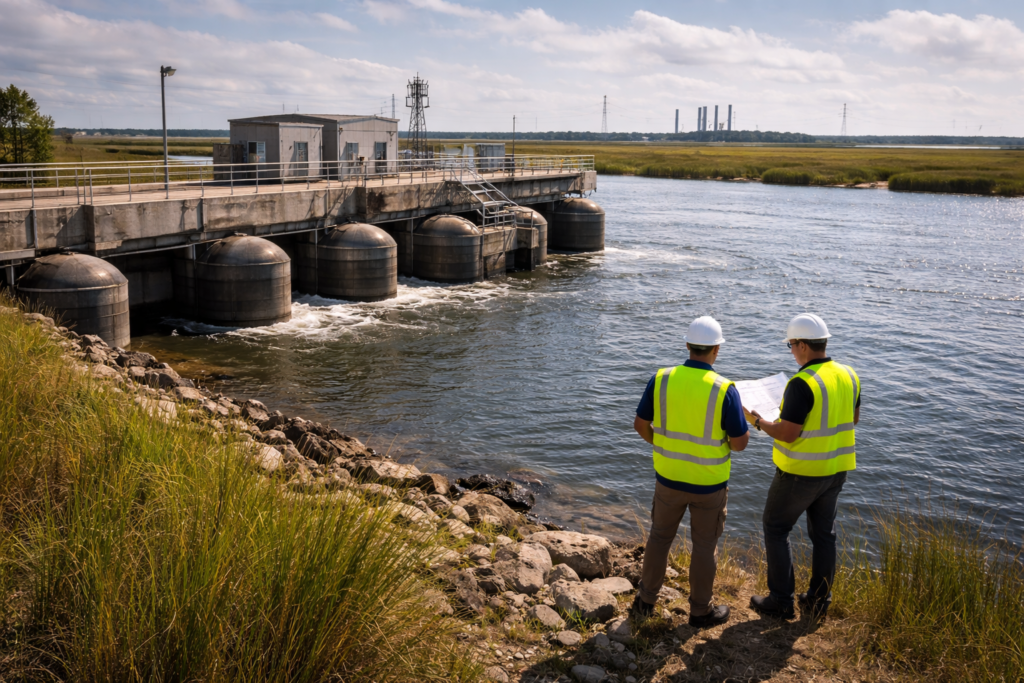
Surface water can solve one set of problems while introducing another.
Effingham officials told the Statesboro Herald that the new treatment plant is being designed with advanced technology aimed at producing higher-quality water and reducing contaminants such as PFAS, sometimes called “forever chemicals.” That issue is not unique to Effingham. Savannah has already been involved in PFAS-related litigation tied to its own water supply, and local officials say surface-water treatment requires constant monitoring because river and creek conditions can vary seasonally and tidally.
That means this is not a simple story of “surface water good, groundwater bad.” The stronger version is narrower: in a region where groundwater withdrawals are already constrained, adding more surface-water capacity may ease pressure on the aquifer, but it also requires treatment systems capable of managing contaminants and variability in raw water.
Easements, Timelines, and What Comes Next
The practical work now includes more than engineering. Effingham County is also acquiring easements for the pipeline route. According to county officials cited in the Statesboro Herald, much of the line will follow an existing Georgia Power right-of-way, though some additional property access will be needed. Roughly 60 property owners could be affected by construction.
That part of the process can shape public reaction just as much as the project’s headline numbers. Large infrastructure projects often look straightforward in concept and much more complicated on the ground, especially once land access, routing, construction timing, and neighborhood disruption enter the discussion.
For now, local officials say the project is moving ahead “full steam.” But with a project of this scale, the real test is not the rendering or the groundbreaking. It is whether the region can deliver new supply on schedule while keeping cost, permitting, and water-quality expectations aligned.
The Bottom Line
Southeast Georgia’s new water project is being framed as a long-term answer to regional growth, aquifer restrictions, and rising industrial demand.
Effingham County is expected to take on a much larger role through a new Savannah River intake, transmission lines, and a planned treatment plant, while Savannah continues to upgrade its own aging system.
The case for the project is straightforward: more surface water could reduce dependence on restricted groundwater areas and give fast-growing parts of coastal Georgia more flexibility. The harder question is whether the system can be built quickly and cleanly enough to meet that promise.
For now, officials say the project is underway. The broader regional question is whether this becomes a durable water solution — or simply the next stage in a longer fight over how coastal Georgia manages growth.