Aiman Tariq – Regional News Editor
Columbia, SC –
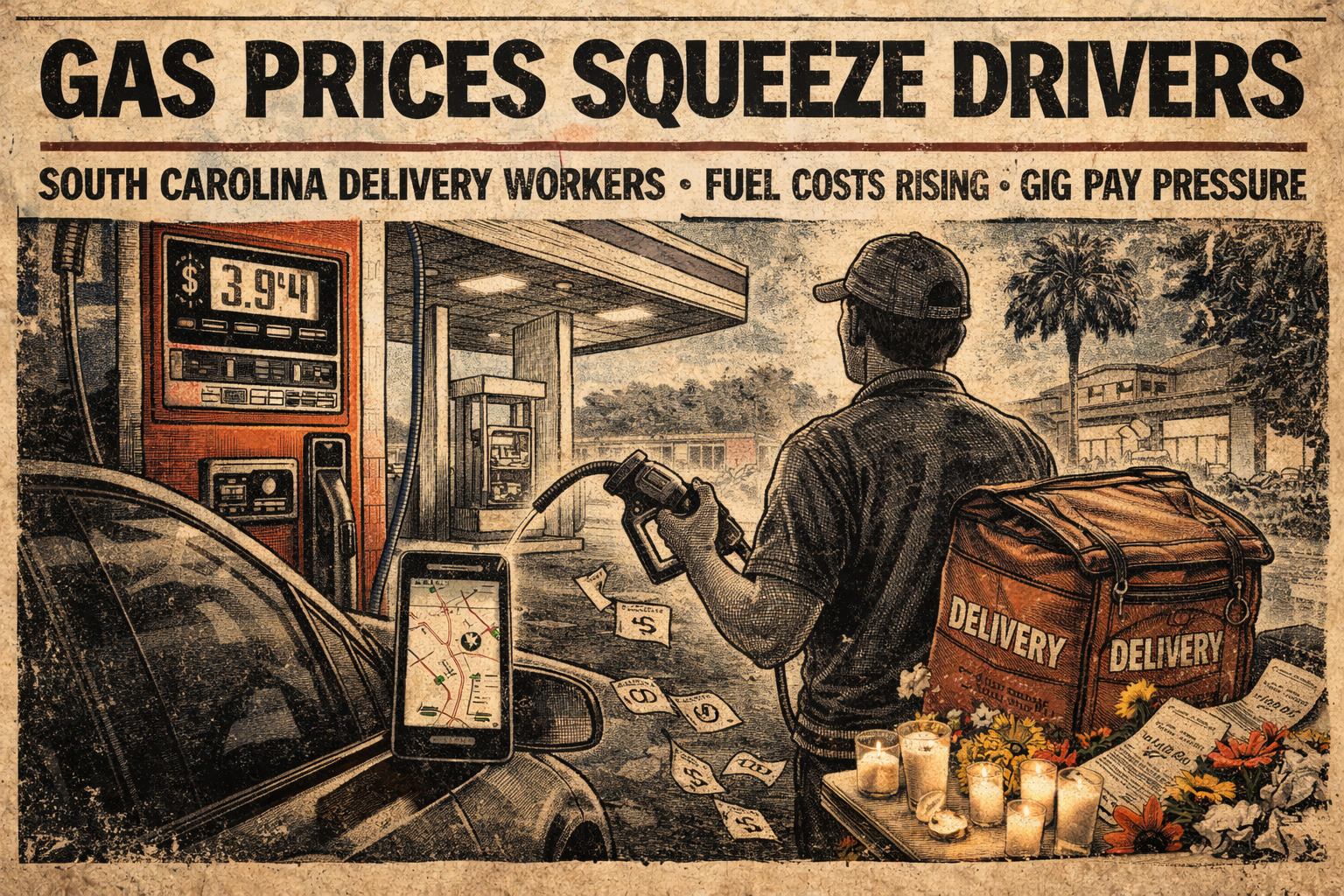
Higher fuel costs are easy to describe in statewide averages. They are harder to absorb when your paycheck depends on how many miles you can drive before the tank runs low.
That is the pressure point for rideshare and delivery drivers across South Carolina, where recent reporting suggests rising pump prices are squeezing workers who already operate on thin margins. For many of them, this is not a side inconvenience. It is a cost increase that lands directly on the same people expected to keep food, groceries, and passengers moving.
That does not mean every driver is affected the same way, or that every jump in fuel prices produces the same practical outcome. But the broad signal is clear enough: South Carolina gas prices have moved up sharply since the start of March, and workers who are paid by the trip say the extra cost is forcing them to change how they work.
What Drivers Say Has Changed?
According to WMBF’s reporting from North Myrtle Beach, some local drivers say fill-ups that previously cost a little over $30 are now running above $50, while others say fuel is eating into as much as half of what they make on lower-earning days. Those figures are anecdotal, not statewide averages, but they help explain why fuel prices hit gig workers differently from salaried commuters.
South Carolina Public Radio, citing NPR, reported that app-based delivery drivers are increasingly tracking mileage, tips, and hourly returns with close attention because even modest changes in gas costs can alter whether a shift is worth working at all. That kind of recalculation is common in gig work, where drivers absorb fuel, maintenance, insurance, and vehicle wear without the protections or reimbursement structures common in traditional employment.
This is one reason broad discussion of the cost of gas in SC can miss the point. For a worker making repeated short trips all day, the issue is not simply what the sign says at the pump. It is how much of each order or fare survives after fuel, miles, and unpaid repositioning time are factored in.
Why Fuel Costs Hit Gig Workers So Directly?

Drivers for DoorDash, Uber Eats, Grubhub, Uber, and Lyft typically operate as independent contractors. That means rising gas prices do not show up as a reimbursed business expense. They show up as a smaller take-home number at the end of the week.
NPR’s reporting noted that some drivers have responded by becoming much more selective, turning down the majority of requests and focusing instead on short, dense routes where the dollars-per-mile calculation looks better. Others are shifting toward grocery-shop orders or switching between apps to see which one offers the best return in a given hour.
That kind of selective routing is now part of everyday Carolina road driving for some workers who depend on app income. It is not just about traffic or demand. It is about whether an order makes economic sense once gas, idle time, and wear on the vehicle are included.
The Statewide Numbers Show the Same Direction
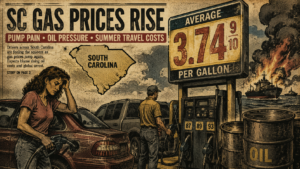
AAA’s state tracker listed South Carolina’s average regular gas price at $3.872 per gallon on April 10, 2026. Earlier South Carolina Public Radio coverage, also citing AAA, put the state average at $2.83 on March 3. That does not mean every station moved in a straight line, but it does show a sharp statewide increase over a little more than a month.
That is why conversations about the price of gas in SC are now showing up in worker interviews, local TV reporting, and public-radio coverage at the same time. The numbers do not tell the entire story, but they line up with what drivers say they are seeing in real time.
Nationally, AAA said on March 26 that the U.S. average had risen by a full dollar over one month, from $2.98 on February 26 to $3.98 on March 26. South Carolina has remained below the national average, but being lower than the national number is not the same thing as being manageable for workers whose business model depends on constant driving.
Relief Programs Exist, but They Look Temporary
DoorDash has announced what it describes as an emergency relief program for drivers in the U.S. and Canada, including temporary gas-related support tied to mileage or spending. South Carolina Public Radio’s report said the effort resembles programs the company used during earlier fuel-price spikes.
That may help at the margins, but even drivers quoted in NPR’s reporting described the assistance as limited. One called it a “cool gesture” with low impact, arguing that the benefit looked more like the value of one or two extra orders a week than a meaningful reset of the economics.
Other platforms have taken a narrower approach. WMBF reported that Uber said it was expanding fuel discounts and offers for drivers for a limited period, while DoorDash tied its support to specific delivery-mile thresholds. Those measures may soften the blow, but they do not change the larger structure: app workers remain responsible for the underlying cost of operating their own cars.
Why Tips and Shorter Trips Matter More Now?
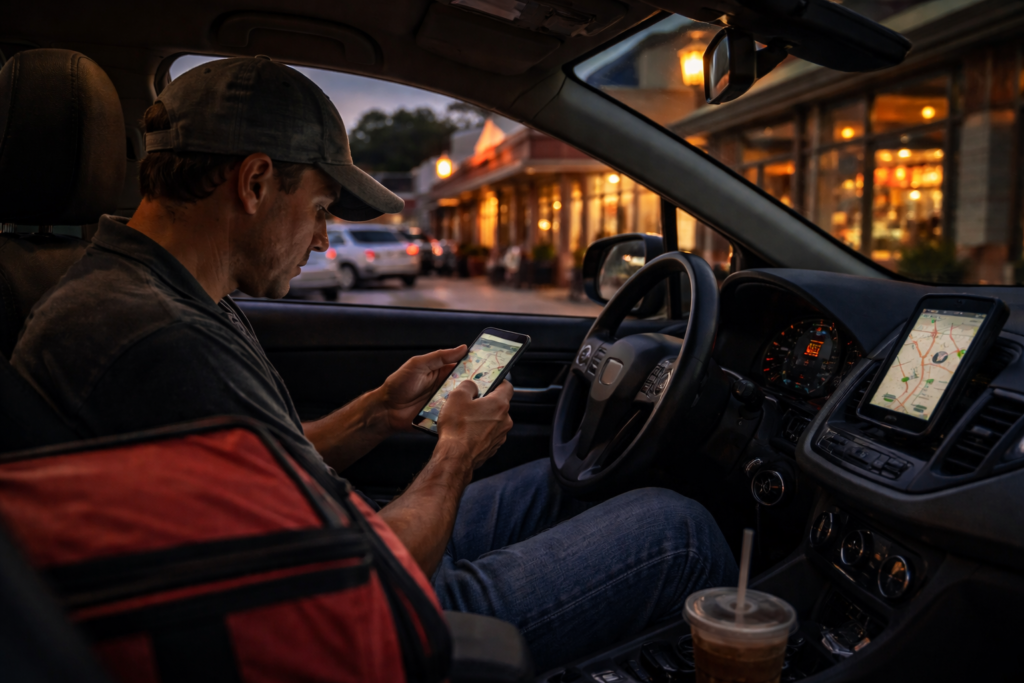
One of the quieter effects of higher gas prices is that they change what kinds of trips drivers are willing to accept.
According to local interviews, some South Carolina drivers are watching tips more closely and declining longer drives that do not justify the fuel burned getting there and back. NPR’s reporting described the same strategy elsewhere, with drivers measuring success less by total hours worked than by revenue per mile.
That helps explain why SC gas prices are not just a consumer story. They are also a service story. If enough workers become more selective at once, customers may feel the change through longer waits, more rejected orders, or reduced willingness from drivers to take low-tip or long-distance runs.
What the Numbers Can and Cannot Tell You?
Fuel averages are useful, but they are still broad measures.
They can tell you the direction of statewide prices. They cannot tell you how much an individual driver spends in stop-and-go traffic, how efficiently a vehicle performs, or whether a given platform’s pay formula is enough to absorb the increase.
That is why stories like this work best when they hold two things at once: the macro picture and the worker-level reality.
The macro picture says South Carolina remains cheaper than some other states. The worker-level reality says repeated fill-ups, unpaid miles, and lower-margin trips can still turn a modest-looking statewide average into a real financial squeeze.
For readers following South Carolina gas prices, that distinction matters. The statewide average may look survivable on paper. For drivers who rely on daily volume, it can still be the difference between a workable shift and a wasted one.
The Bottom Line
Rising gas prices are putting more pressure on South Carolina drivers who deliver food, groceries, and passengers for app-based companies.
The broad numbers support that story. AAA’s state data shows a meaningful increase in average pump prices since early March, and local reporting shows drivers responding by switching apps, rejecting lower-value trips, and watching tips more closely.
That does not mean every driver is being squeezed in exactly the same way. Some drive more efficient vehicles and some can reduce mileage. Some treat gig work as extra income rather than a rent-paying necessity.
But the pattern is hard to miss. When the price of gas in SC rises quickly, the burden lands fastest on workers whose income depends on staying in motion.
And for many of them, that means the problem is not just fuel. It is how little room there was in the math to begin with.